Written by EMILY KIM
Graphic by ISABELLA HANDEL
//Every October, Las Lomas celebrates Breast Cancer Awareness to educate the students about the risk factors and deadly symptoms. It is also known as “Pink October” and the events promoted in school include the Dig Pink Game in Benicia for the girls’ volleyball team.
According to the National Breast Cancer Foundation, the pink ribbon campaign started in 1985 when a 68-year-old woman named Charlotte Haley, whose family had battled breast cancer, sold handmade peach-colored ribbons that transformed into pink, a symbol of Breast Cancer. This became the touchstone for the first movement in fighting Breast Cancer. Wearing pink to support breast cancer awareness is not just honoring but continuing the tradition and becoming an advocate against Breast Cancer.
On September 9th, Gloria Handel, a mammography and radiologist specialist at Kaiser Permanente, explained the questions about Breast Cancer. In a talk, Dr. Handel addressed and answered the most popular questions searched in Google.
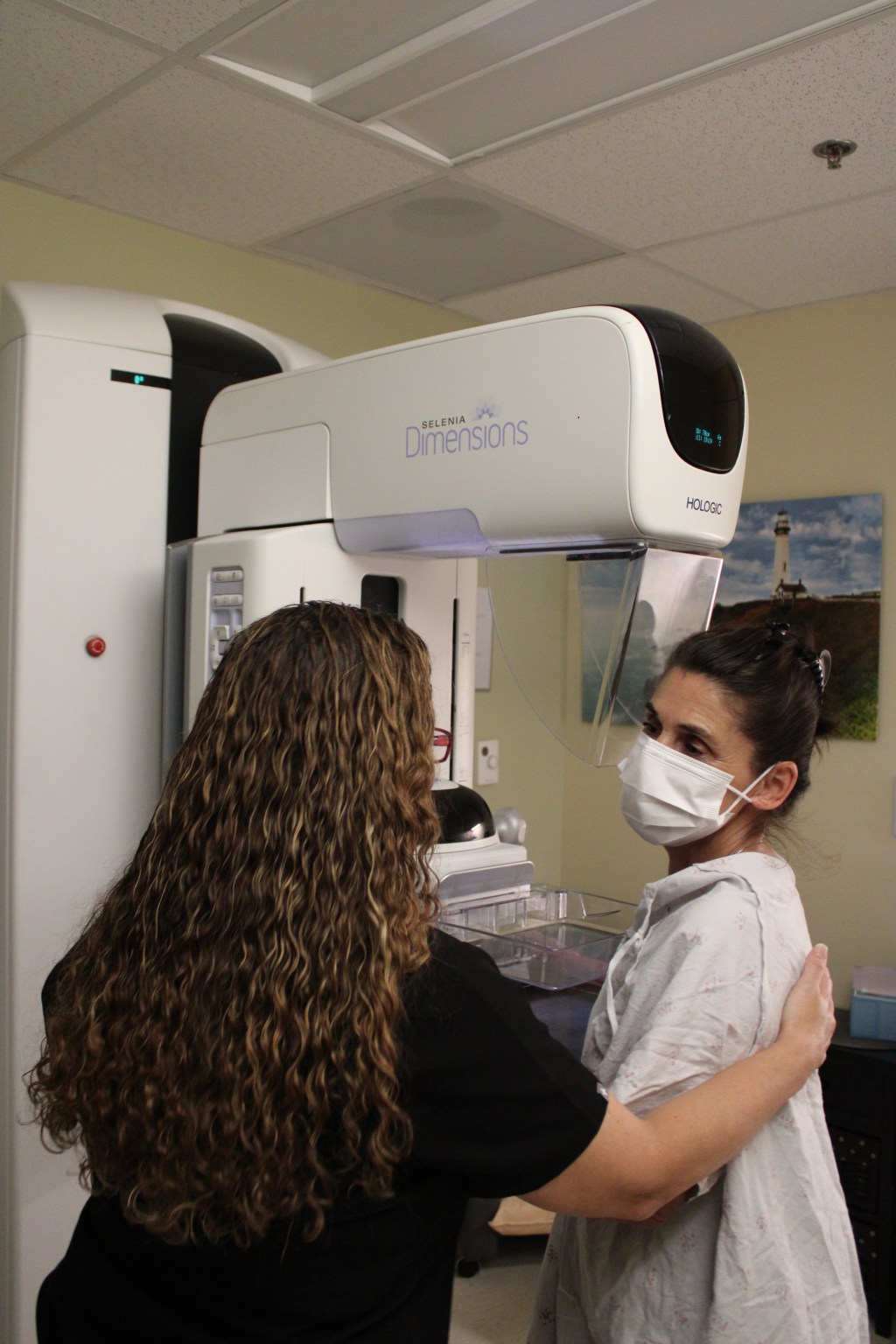
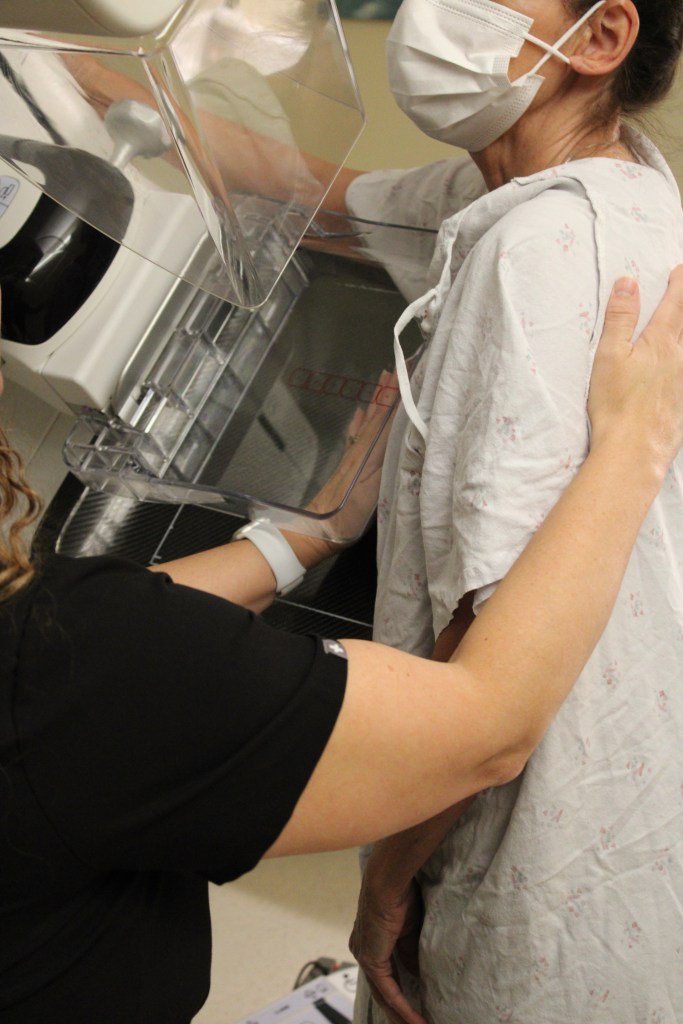
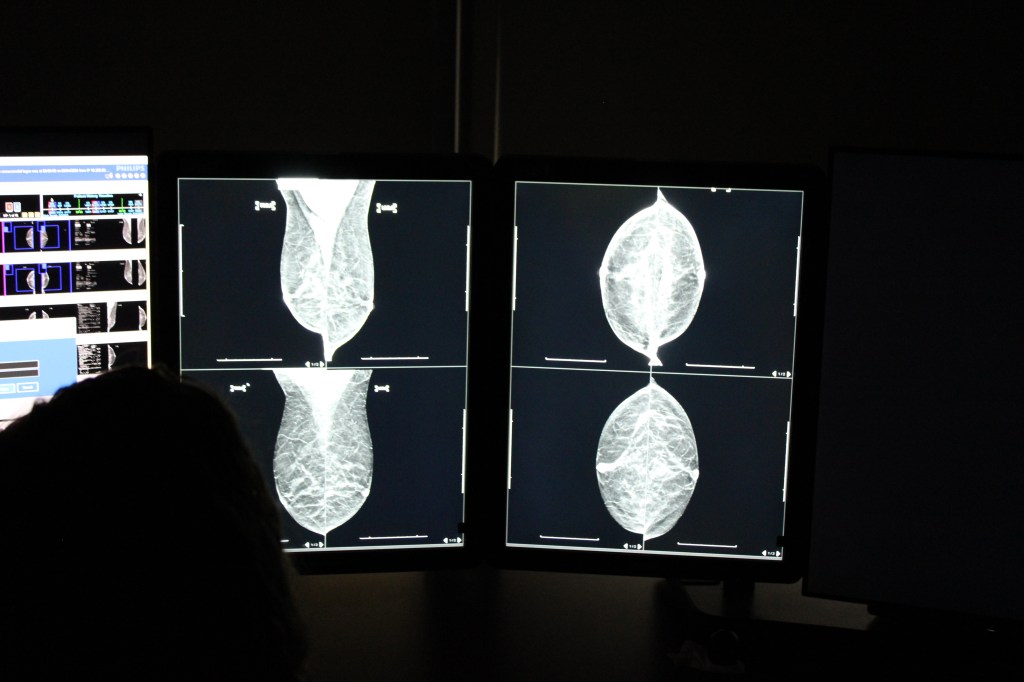
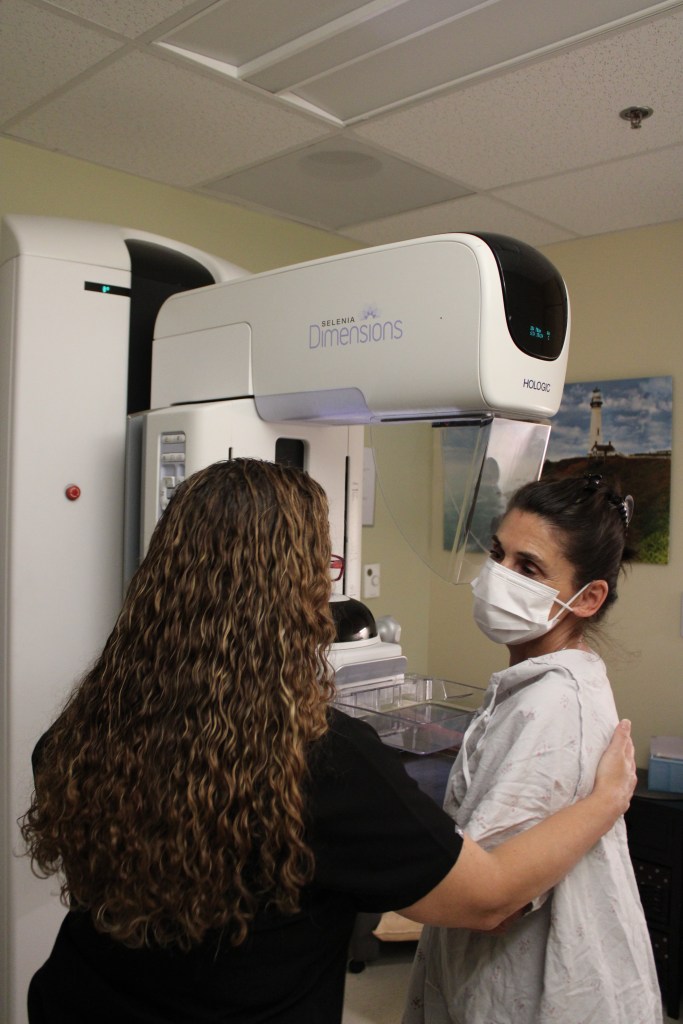
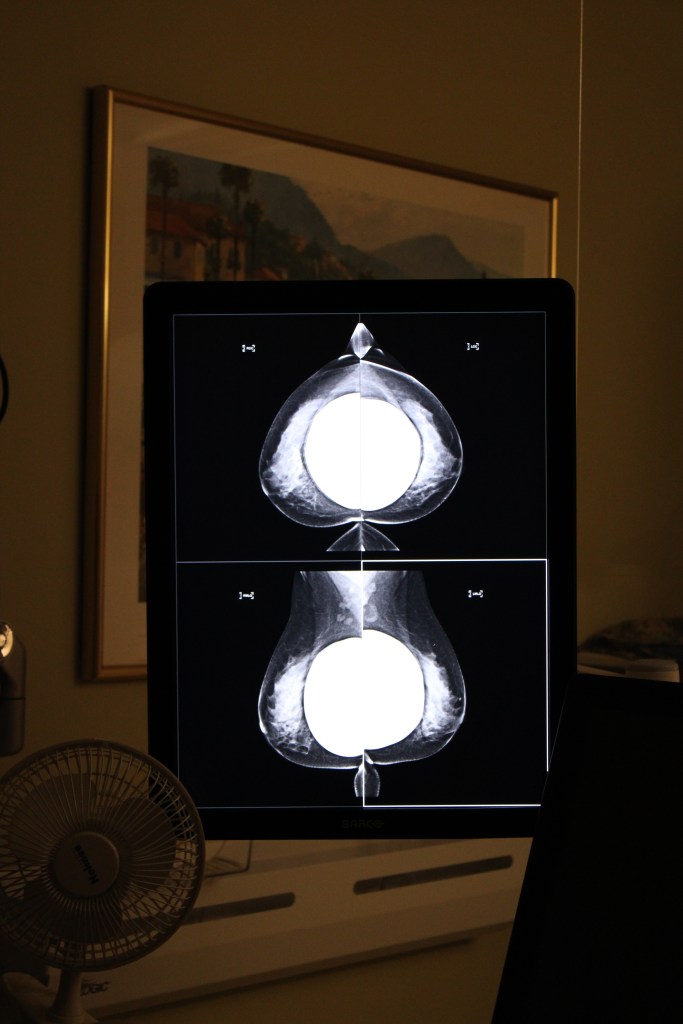
The first to address was the definition of mammography in which she said, “Mammography is a radiologic imaging exam of the breast tissue, and requires a patient in front of a machine. We perform the exam, compress the breast and we take approximately four images for early detection.”
There are two types of machines used for mammography, 2D or 3D X-ray exam devices, and Dr. Handel said, “The upcoming machine is now 3D imaging, which can identify more accurately through dense breast tissues that hide cancer than that of 2D does.”
Usually, there isn’t a significant difference between 2D and 3D inspection regarding cost, especially when covered by medical insurance. However, 3D inspection equipment generally costs three times more, around $200,000, while 2D equipment costs between $50,000 and $70,000, according to a phone call from a seller in Korea.
“Dense breasts are challenging to see through, and 3D imaging helps with that,”-said Handel
Emerging technologies like Artificial Intelligence (AI) have been a controversial topic among medical-related topics.
A question arises: Given the AI’s potential ability to surpass human performance then would they implement these machines in the future?
Dr. Handel said, “I’m not sure the answer yet…right now it’s just 2D or 3D or combo imaging. 3D imaging is pretty new compared to the 2D. I’ve been doing it in John Muir for approximately five years. And they can combine that with an ultrasound of the breast, which means if they do a mammography exam and they see something, or if a patient feels a lump, they will go to the ultrasound.”
Ultrasound is inferred to be a supplementary tool used to diagnose breast cancer under mammography. It can distinguish between cysts and solid lumps by locating tumors before biopsy. Ongoing technological advances have the potential to further expand its role in breast cancer detection.
Dr. Handel said, “Mammography is X-ray whereas ultrasound is ultrasonic waves, different but they can complement each other in mammography, they can help each other out.”
This leads to an ultimate question of when this screening is recommended to stop further ado to breast cancer “The recommended age is 40 for what they call a baseline which means the right time for the first mammogram, but that also depends if a patient has a history of breast cancer in the family,” Handel said.
As she said, The US Preventive Services Task Force (USPSTF) recommends that all women get screened every other year starting at age 40 issued in April 2024. Before the report, the age was 50. This decision is very significant in that independent organizations, apart from the American Cancer Society and the government, also identified the same age group.
If it’s mainly genetic, then will it depend on the size?
Breast cancer happens due to the amount of dense tissues. However, according to Handel, “Size is irrelevant” which finishes the question because when doctors talk about density, they are referring to the relative amounts of connective tissue versus fat. Breasts tend to be denser when a woman is younger and the older it becomes fattier, and women with dense breast tissue throughout their lives have a higher risk of breast cancer.
If the symptoms happen of a hard lump on the chest, then the treatment said Handel, “They can have you do an excisional biopsy, meaning that they take out the lump. Depending on the size and the type of cancer, or how sensitive it is there can either be radiation or chemotherapy.”
This means it has gone a bit further into the lymph nodes. “Not only in the tissues, but in your axillary area (armpit) which are tested to make sure that the cancer hasn’t gone to the lymph nodes, and that would determine what kind of treatment the patient would receive.”
There are few patients, even famous movie stars like Angela Jolie who performed mastectomy which eliminates the breast tissues artificially. Jolie found out that she inherited the ‘BRCA1 gene’, which has a higher possibility of breast cancer up to 87 percent, and her mother was also diagnosed with breast cancer. However, this is specific to her condition because everyone has different breast cancer cases.
Prevention is the best treatment for breast cancer, just like any other disease. Certainly, the artificial intelligence mentioned before will greatly contribute to the detection and treatment of breast cancer. However, in the era of AI, whether a doctor or the company that operates it is responsible for using this will also be a future task to be discussed.



Leave a Reply